A Homeowner's Guide to Choose the Best Solar Panels in Australia
Choosing solar panels can feel overwhelming. Almost every installer claims they use "Tier 1" panels, but very few explain what that actually means or whether it should influence your decision.
The truth is that while Tier 1 is an important consideration, it is only one part of choosing a quality solar system.
In this guide, we'll explain:
- what Tier 1 really means
- how modern solar panels work
- why N-Type panels are becoming the industry standard
- which leading brands are popular across Australia
- what really matters when comparing solar quotes
By the end, you'll know exactly what questions to ask before investing in a solar system.
Quick Answer: What Are the Best Solar Panels for Australian Homes?
The best solar panels for Australian homes combine Tier 1 manufacturing, N-Type TOPCon technology, strong product warranties, and local Australian support. While the Tier 1 label indicates a financially stable manufacturer, factors such as panel efficiency, long-term performance, installation quality, and system design have a much greater impact on your electricity savings over the next 25-30 years. For most homeowners, premium N-Type TOPCon panels from reputable brands like JA Solar, Jinko Solar, Trina Solar, and Suntech offer an excellent balance of performance, reliability, and value.
What Are Tier 1 Solar Panels?
In simple terms:
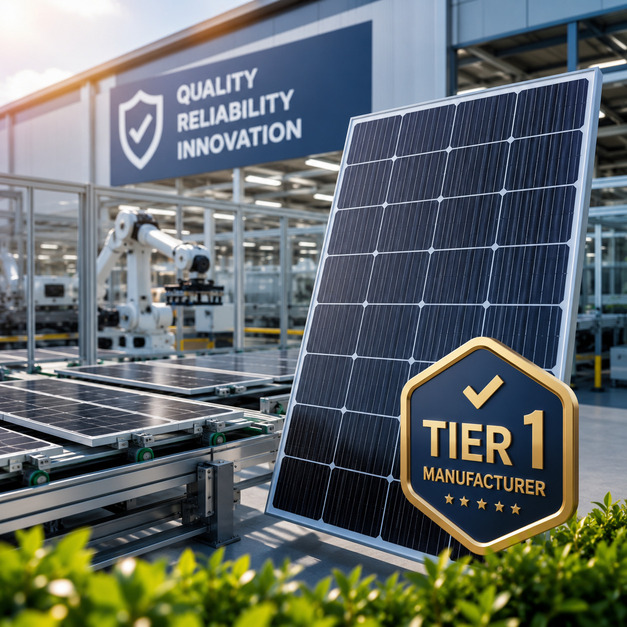
Tier 1 solar panels are manufactured by financially strong companies that have supplied large-scale solar projects financed by major banks.
Tier 1 does NOT mean the panels are automatically:
- Better quality
- More efficient
- Longer lasting
Instead, it means the manufacturer has demonstrated financial stability and large-scale production capability.
"Why This Matters to WA Homeowners"
For homeowners, a solar system is expected to operate for more than 25 years.
During that time you may need:
- warranty support
- replacement panels
- technical advice
- compatible products
Choosing a financially stable manufacturer significantly increases the likelihood those services will still be available decades into the future.
Tier 1 : EXPLAINED
Think of Tier 1 like buying a car.
You'd generally have greater confidence purchasing from Toyota than from a small manufacturer that may no longer exist in ten years.
Solar works the same way.
Tier 1 doesn't necessarily mean Toyota makes the fastest car - it simply means the company has a long track record and is financially strong.
Likewise, Tier 1 manufacturers have demonstrated that banks trust them to supply large commercial solar projects.
Choosing the Best Solar Panels in Australia
Selecting the best solar panels isn't simply about choosing the biggest brand or the cheapest quote. The ideal solar system combines high-quality Tier 1 panels, modern N-Type TOPCon technology, a reliable inverter, expert installation, and a design tailored to your home's electricity usage. Understanding these factors will help you maximise energy production, reduce electricity bills, and enjoy reliable solar performance for decades. This guide explains everything Australian homeowners need to know before investing in solar.
Homeowner Buying Checklist: 10 Things to Check Before Choosing Solar Panels
Choosing a solar system isn't simply about selecting the biggest brand or the lowest price. A quality solar installation should continue generating clean energy and reducing your electricity bills for 25 years or more.
Before accepting a solar quote, use this checklist to ensure you're investing in a system that offers long-term performance, reliability and value.
✓ 1. Is the Panel Manufactured by a Tier 1 Company?
While Tier 1 isn't a quality rating, it does indicate that the manufacturer is financially stable and has supplied large-scale solar projects around the world.
Established manufacturers are generally more likely to honour their warranties and continue supporting their products for decades.
Popular Tier 1 manufacturers in Australia include JA Solar, Trina Solar, Jinko Solar and Suntech.
✓ 2. Does the System Use Modern N-Type TOPCon Technology?
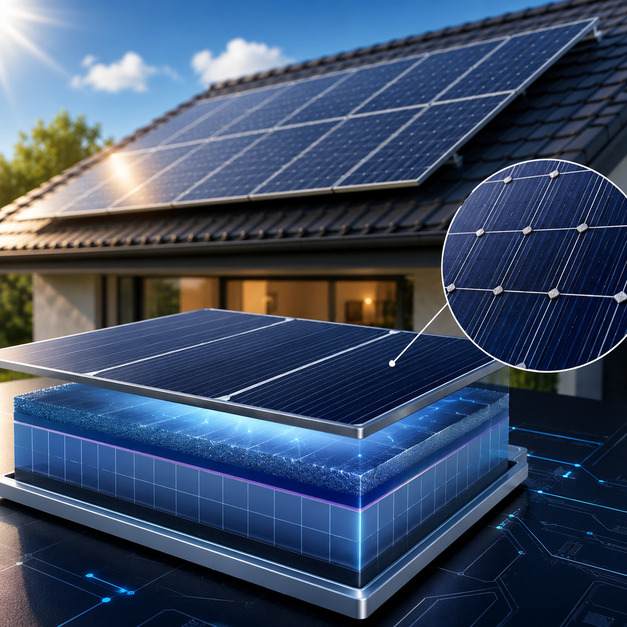
Most premium solar panels now use N-Type TOPCon cells, which offer several advantages over older P-Type PERC technology.
Benefits include:
- Higher efficiency
- Better performance during hot Australian summers
- Improved generation in cloudy conditions
- Slower long-term degradation
For homeowners installing solar today, N-Type panels are generally the preferred choice.
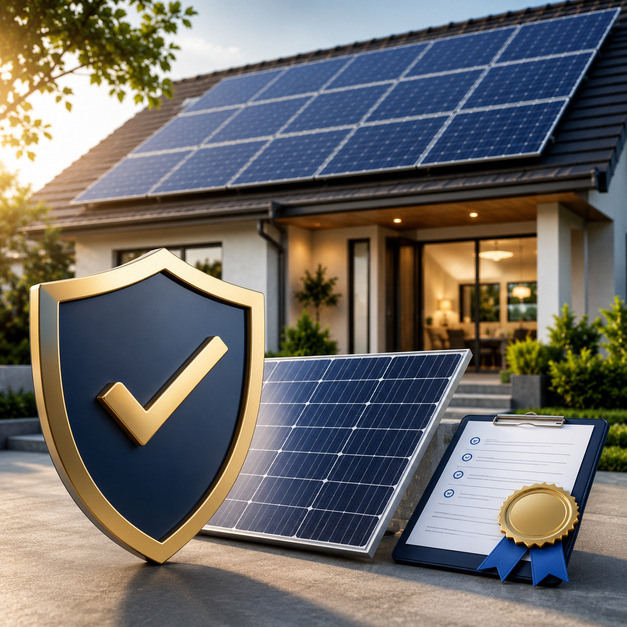
✓ 3. What Product Warranty Is Included?
Not all panels from the same manufacturer carry the same warranty.
Premium models commonly include:
- 25-year product warranty
- 30-year performance warranty
- Some older or entry-level models may only include a 10 to 12-year product warranty.
Always ask for the exact warranty that applies to the specific panel model being quoted - not just the brand name.
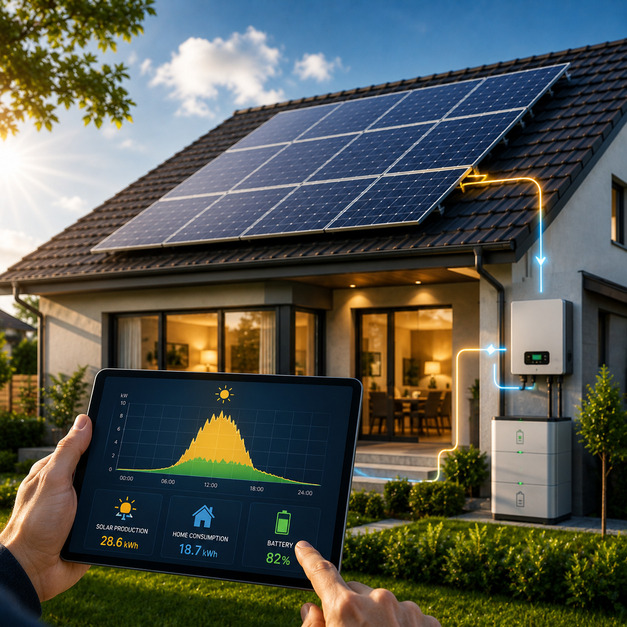
✓ 4. How Much Electricity Will the System Actually Produce?
A larger system doesn't always mean greater savings. Ask your installer to provide an estimate showing:
- Expected annual energy production.
- Percentage of your electricity usage the system will offset.
- Estimated reduction in your electricity bills.
A professionally designed system should match your household's energy consumption, roof orientation and future energy needs.
✓ 5. Is the Inverter a Reputable Brand?
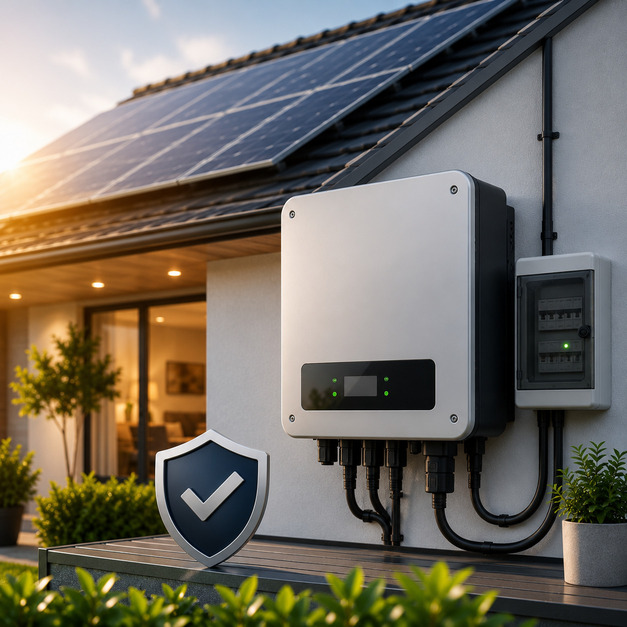
The inverter is often called the "brain" of a solar system because it converts the electricity generated by the panels into usable power for your home.
Choosing a reliable inverter is just as important as selecting quality panels.
Look for reputable manufacturers with strong Australian support and comprehensive warranties.
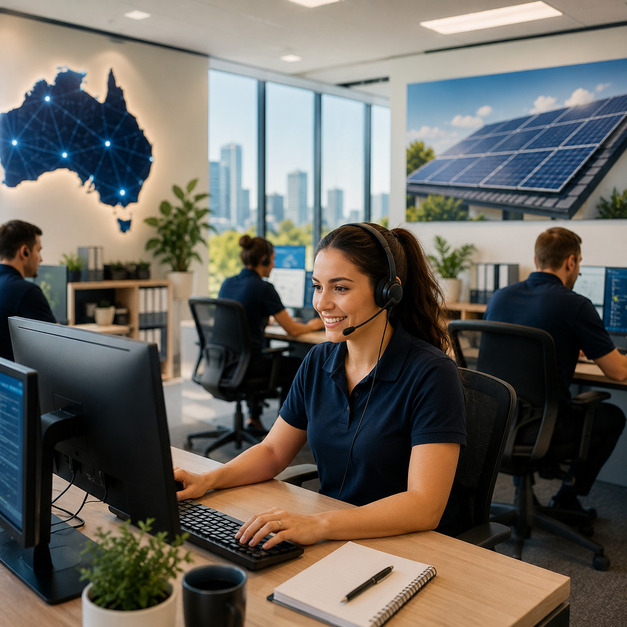
✓ 6. Does the Manufacturer Have an Australian Office or Local Support?
Solar panels are a long-term investment. If you ever need warranty assistance, having local technical support can make the process faster and simpler.
Manufacturers with an established Australian presence typically offer:
- Local warranty processing
- Technical support
- Replacement stock
- Faster turnaround times
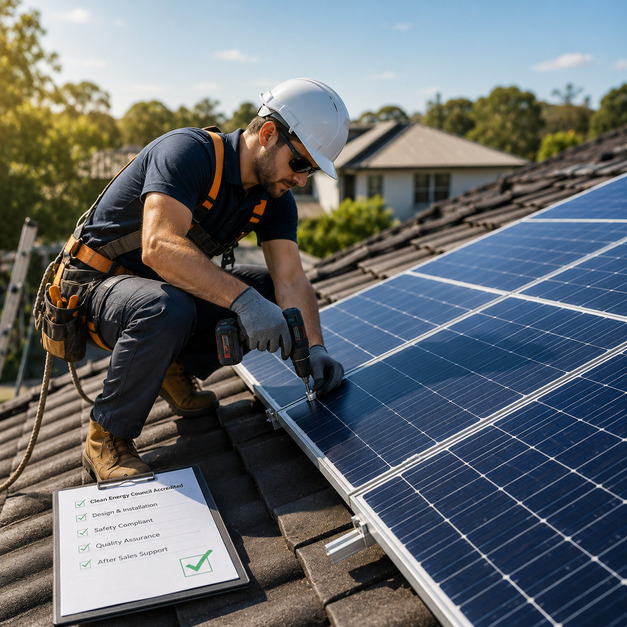
✓ 7. Is the Installer Accredited and Experienced?
Even the highest-quality solar panels won't perform well if they're installed incorrectly.
Choose an installer who:
- Is NETCC accredited to install solar systems in Australia
- Has positive customer reviews
- Provides workmanship warranties
- Has a proven track record of quality installations
A quality installation often has a greater impact on long-term performance than the panel brand alone.
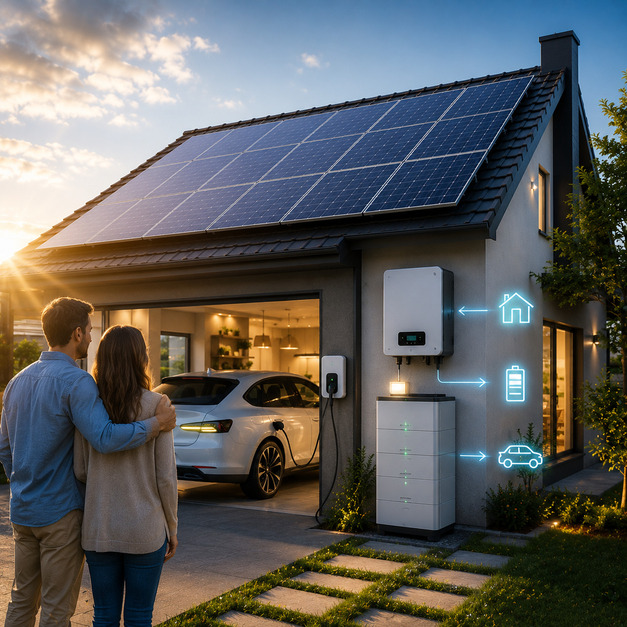
✓ 8. Is the System Designed for Your Future Energy Needs?
Think about how your electricity usage may change over the next decade. For example:
- Purchasing an electric vehicle
- Installing a home battery
- Adding air conditioning
- Expanding your household
Choosing a slightly larger inverter or allowing room for additional panels can make future upgrades easier and more cost-effective.
✓ 9. What's Included in the Quote?
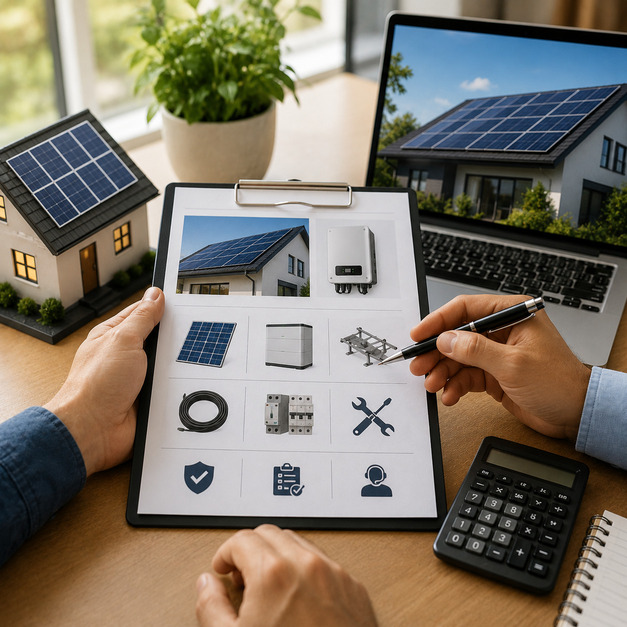
Solar quotes can vary significantly between installers. Before comparing prices, check whether the quote includes:
- Installation
- Monitoring system
- Grid connection approvals
- Electrical upgrades (if required)
- Mounting hardware
- Warranty documentation
- After-sales support
The cheapest quote isn't always the best value if important items have been excluded.
✓ 10. Are You Comparing Complete Systems Rather Than Just Panel Brands?
Many homeowners focus only on the solar panel brand. In reality, a solar system is made up of several components that work together, including:
- Solar panels
- Inverter
- Mounting system
- Electrical protection equipment
- System design
- Installation quality
- Ongoing support
A well-designed system using quality components will usually outperform a premium panel paired with poor installation or an unsuitable inverter.
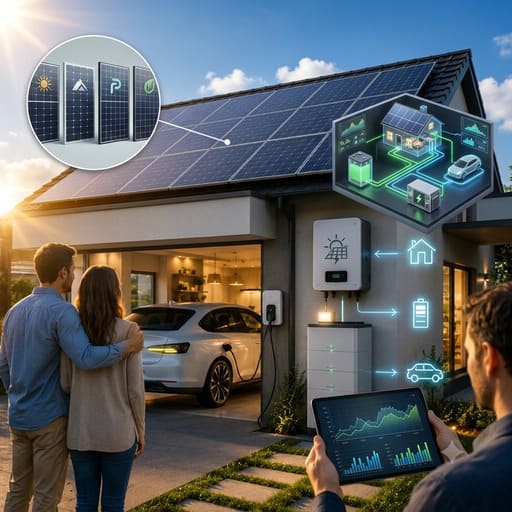
Fusion Sun Solar: Your Trusted Guide to WA Solar Battery Rebate Benefits
We at Fusion Sun Solar recognize the value of making the rebate process simple and stress free. contact us now and get all the benefits of WA solar battery rebate.
Address: The Garden Office Park, Level 2, Building C, 355 Scarborough Beach Road, Osborne Park, Perth, WA 6017
Phone: (08) 6275 9000
E-mail: enquiries@fusionsunsolar.com.au
Map Link: https://maps.app.goo.gl/KP3QZHPrWoWzQN928
To get started, simply fill out this form. Our team will be in touch to guide you through the complete solar battery rebate process.
Final Tip for Homeowners
When comparing solar quotes, don't ask, "Which panel is the best?"
Instead, ask:
- Is this system designed for my home's electricity usage?
- Will it continue performing reliably for the next 25 to 30 years?
- Is the manufacturer financially stable and supported in Australia?
- Does the installer have the experience to stand behind their workmanship?
- Does the system provide the best long-term value rather than simply the lowest upfront price?
Answering these questions will help you choose a solar system that delivers reliable performance, lower electricity bills and peace of mind for many years to come.
Understanding Solar Panel Technologies: What They Mean for Your Electricity Savings
When comparing solar quotes, you'll often come across terms like monocrystalline, N-Type TOPCon, bifacial, and half-cut cells. While these technologies may sound technical, they all influence one thing that matters most to homeowners:
How much electricity your solar system generates over the next 25 to 30 years and how much money it saves you.
Here's what each technology means in practical terms.
Polycrystalline Panels - An Older Technology
Polycrystalline panels were once a popular budget option but have largely been replaced by more efficient monocrystalline panels.
Best for: Older systems or specialised budget projects.
Monocrystalline Panels - The Standard for Modern Homes
Monocrystalline panels are manufactured from a single crystal of high-purity silicon, making them the most efficient and widely installed solar panels in Australia today.
What does this mean for homeowners?
Higher efficiency means each panel can produce more electricity from the same amount of sunlight.
This is particularly valuable if:
- Your roof has limited space.
- You want to maximise your solar generation.
- You're planning to install a battery or electric vehicle charger in the future.
While monocrystalline panels may cost slightly more than older technologies, they generally deliver greater lifetime energy production and better long-term value.
Best for: Most Australian homes, especially those with limited roof space or higher electricity usage.
P-Type PERC vs N-Type TOPCon - Why Newer Technology Matters
This is one of the biggest improvements in residential solar over the past few years.
For many years, P-Type PERC panels were the industry standard. Today, most leading Tier 1 manufacturers have transitioned to N-Type TOPCon technology.
What does this mean for homeowners?
Compared with older P-Type panels, N-Type panels typically offer:
- Higher efficiency, producing more electricity from the same roof area.
- Better performance on hot Australian summer days, when traditional panels tend to lose more output.
- Improved performance in cloudy or low-light conditions, helping generate more energy throughout the day.
- Lower annual degradation, meaning the panels retain their performance for longer.
Over a 25 to 30-year lifespan, these improvements can result in significantly more electricity generation, reducing your reliance on the grid and improving the return on your solar investment.
If you're installing a new solar system today, N-Type TOPCon panels are generally considered the preferred choice for long-term performance and value.
Best for: Homeowners looking for maximum long-term savings and future-proof technology.
Monofacial vs Bifacial Panels - Will Two-Sided Panels Save You More?
| Topic | Monofacial Panels | Bifacial Panels |
|---|---|---|
| How they work | Generate electricity from the front surface only. | Generate electricity from both the front and rear by capturing reflected sunlight. |
| Performance on typical home roofs | Well suited to most tiled and Colorbond roofs. | Extra generation is usually modest when panels sit close to the roof. |
| Best installation conditions | Standard residential rooftops. | Elevated frames, light-coloured roofs, commercial roofs, and ground-mounted systems. |
| Durability | Reliable with standard construction. | Often dual-glass, improving durability and moisture resistance. |
| Main benefit | Cost-effective and practical for most homes. | Stronger build quality, longer warranties, and higher output in suitable conditions. |
| Best suited for | Most residential solar systems. | Premium residential, commercial, and reflective or elevated installations. |
| Homeowner takeaway | A practical choice for most Australian homes. | Worth considering where roof conditions allow rear-side sunlight reflection. |
Best for: Premium residential systems, commercial installations, and homes with suitable reflective mounting conditions.
Half-Cut Cell Technology - Better Performance Throughout the Day
Nearly all premium solar panels now use half-cut cell technology. Instead of using full-sized solar cells, manufacturers divide each cell into two smaller sections.
What does this mean for homeowners?
This design reduces electrical resistance within the panel and improves its ability to cope with partial shading.
Benefits include:
- Higher overall efficiency.
- Better performance if part of the roof is shaded by trees, chimneys or antennas.
- Lower operating temperatures.
- Improved long-term reliability.
Although the improvement may appear small, every additional percentage of energy generated contributes to lower electricity bills over the life of the system.
Best for: Virtually every residential solar installation.
Which Solar Panel Technology Offers the Best Value?
For most Australian homeowners installing solar in 2026, the ideal combination is:
- Monocrystalline solar panels
- N-Type TOPCon solar cells
- Half-cut cell technology
- Dual-glass construction (where appropriate)
- A Tier 1 manufacturer with strong Australian support
While premium technologies can increase the upfront cost slightly, they often generate more electricity over their lifetime, experience slower degradation, and provide better performance during Australia's hot summers. These factors can translate into greater long-term savings and a faster return on your investment.
The Bottom Line
The latest solar panel technologies don't just improve laboratory efficiency - they can increase the amount of electricity your system produces every day. More solar generation means purchasing less electricity from the grid, making your home less exposed to rising energy prices.
When comparing solar quotes, don't focus solely on the panel brand. Ask your installer about the technology inside the panel, as this often has a greater impact on long-term performance than the logo printed on the front. A well-designed system using current-generation N-Type TOPCon panels from a reputable Tier 1 manufacturer will provide excellent performance, reliability, and value for most Australian homes.
Which Solar Panel Technology Is Right for Your Home?
Every home is different, and the "best" solar panel isn't necessarily the most expensive one - it's the one that best matches your roof, your electricity usage, and your long-term energy goals.
The comparison below explains how the most common solar panel technologies perform in real-world Australian conditions.
Solar Panel Technology Comparison
| Technology | Efficiency | Performance in Hot Weather | Expected Lifespan | Best Suited For | Overall Recommendation |
|---|---|---|---|---|---|
| Monocrystalline N-Type TOPCon | ★★★★★ | ★★★★★ | 30+ Years | Most Australian homes, batteries and EV charging | Excellent |
| Monocrystalline P-Type PERC | ★★★★☆ | ★★★★☆ | 25–30 Years | Budget-conscious homeowners | Very Good |
| Polycrystalline | ★★★☆☆ | ★★★☆☆ | 25 Years | Older systems and low-budget projects | Generally Not Recommended for New Installations |
| Bifacial Dual-Glass | ★★★★★ | ★★★★★ | 30+ Years | Premium residential and commercial installations | Excellent where suitable |
Are More Expensive Solar Panels Worth It?
Not always.
A premium panel may produce only 2 - 4% more electricity than a mid-range Tier 1 panel.
Whether that extra production justifies the higher price depends on:
- Your roof size
- Electricity usage
- Available sunlight
- Battery plans
In many Australian homes, investing in a slightly larger system often delivers greater financial returns than paying significantly more for the highest-efficiency panel.
Brand Comparison Table
| Brand | Australian Support | Latest Technology | Product Warranty | Best For |
|---|---|---|---|---|
| JA Solar | ✔ | N-Type TOPCon | Up to 25 Years | Excellent value |
| Trina Solar | ✔ | N-Type i-TOPCon | Up to 25 Years | Premium performance |
| Jinko Solar | ✔ | Tiger Neo N-Type | Up to 25 Years | High efficiency |
| Suntech | ✔ | N-Type | Up to 25 Years | Proven reliability |
Common Myths About Tier 1 Solar Panels
Myth 1
Myth: Tier 1 means the best quality.
Reality: Tier 1 measures manufacturer bankability, not product quality.
Myth 2
Myth: All Tier 1 panels are identical.
Reality: Each manufacturer offers entry-level and premium ranges.
Myth 3
Myth: The most efficient panel always saves the most money.
Reality: System design usually has a much bigger impact than a 1-2% difference in panel efficiency.
Final Thoughts: Focus on Long-Term Value, Not Just the Panel Brand
Choosing solar panels isn't about finding the most expensive brand or the highest efficiency rating, it's about selecting a complete solar solution that will deliver reliable performance and meaningful savings for decades.
Australian homeowners have access to a wide range of high-quality Tier 1 solar panels from globally recognised manufacturers, giving you confidence that your investment is backed by financially stable companies with strong long-term support. However, choosing the right solar system involves more than just the Tier 1 label. Panel technology, warranties, inverter quality, system design, and the expertise of your installer all play an equally important role in long-term performance and savings.
When combined with professional system design and quality installation, these systems can help reduce electricity bills, increase energy independence and provide reliable clean energy for 25 years or more.
Before accepting a solar quote, take the time to compare more than just the panel brand or the upfront price. Ask your installer:
- Why is this particular panel recommended for my home?
- Is the system correctly sized for my current and future electricity usage?
- What warranties apply to the exact panel model being quoted?
- Does the manufacturer have an established Australian support network?
- Is the system designed to accommodate future additions such as a battery or electric vehicle charger?
The answers to these questions will give you a much clearer picture of the true value of your investment.
Remember, the best solar system isn't necessarily the one with the highest efficiency or the lowest price. it's the one that's carefully designed around your home's energy needs, built with quality components, and installed by professionals who will stand behind their workmanship for years to come.
Need Help Comparing Solar Panels?
If you're comparing solar quotes or deciding between different panel brands, don't hesitate to ask questions. At Fusion Sun Solar we are happy to explain the differences between technologies, warranties and system designs, helping you make an informed decision based on your home's unique requirements rather than marketing claims.
An informed homeowner is far more likely to invest in a solar system that delivers lasting performance, lower electricity bills and genuine peace of mind for many years to come.
The information in this guide is intended as general educational content and should not be considered financial or electrical advice. Solar panel specifications, product availability and warranty terms may change over time. Always review the latest product documentation and discuss your specific requirements with a qualified solar professional before making a purchasing decision.
Frequently Asked Questions
What are Tier 1 solar panels?
Tier 1 solar panels are manufactured by financially stable companies that have supplied large-scale solar projects financed by major banks. The Tier 1 classification reflects the manufacturer's financial strength and production capability rather than the quality or efficiency of an individual solar panel. While choosing a Tier 1 manufacturer is recommended, homeowners should also compare panel technology, warranties, installation quality and local support.
What are the best solar panels for Australian homes?
For most Australian homeowners, the best solar panels combine N-Type TOPCon technology, strong product warranties, high efficiency and support from a reputable Tier 1 manufacturer. Leading brands such as JA Solar, Trina Solar, Jinko Solar and Suntech are widely used because they offer reliable performance, excellent value and long-term manufacturer support.
Does Tier 1 mean better quality solar panels?
No. Tier 1 does not measure the quality of a solar panel. Instead, it indicates that the manufacturer is financially stable and trusted by banks to supply large commercial solar projects. Panel performance depends on the specific model, the technology used, manufacturing quality and how well the system is designed and installed.
What is N-Type TOPCon solar panel technology?
N-Type TOPCon is the latest generation of solar cell technology. Compared with older P-Type PERC panels, N-Type panels generally deliver higher efficiency, improved performance in hot weather and cloudy conditions, slower degradation and greater long-term energy production, making them an excellent choice for Australian homes.
Are N-Type solar panels worth the extra cost?
In many cases, yes. Although N-Type TOPCon panels may cost slightly more initially, they typically generate more electricity over their lifetime, retain their performance for longer and improve your return on investment through higher energy production and lower electricity bills.
Which solar panel brand is best: JA Solar, Jinko, Trina or Suntech?
All four manufacturers produce high-quality Tier 1 solar panels and are popular across Australia. The best choice depends on your budget, roof size, energy usage and future plans. Rather than focusing only on the brand, homeowners should compare the specific panel model, warranty, efficiency, installer experience and overall system design.
How long do quality solar panels last?
Most premium solar panels are designed to operate for 25 to 30 years or more. Many current-generation panels include product warranties of up to 25 years and performance warranties extending to 30 years, ensuring reliable electricity generation throughout their lifespan.
Is the inverter as important as the solar panels?
Yes. The inverter converts the electricity generated by your solar panels into usable electricity for your home. A high-quality inverter is essential for system efficiency, monitoring, reliability and future compatibility with battery storage. A well-matched inverter is just as important as choosing quality panels.
Should I buy the most efficient solar panels available?
Not necessarily. The highest-efficiency panel is not always the best investment. For many homeowners, installing a slightly larger system using quality Tier 1 panels often delivers greater savings than paying a premium for the most efficient panels. The overall system design usually has a bigger impact on long-term performance than small differences in panel efficiency.
What should I compare when getting solar quotes?
When comparing solar quotes, consider:
- The solar panel technology and manufacturer
- Inverter quality
- Product and performance warranties
- Installer accreditation and experience
- Expected annual energy production
- Australian technical support
- Future battery compatibility
- Total system value rather than just the upfront price
Comparing complete systems rather than individual components will help you choose the best long-term investment.
Can I add a solar battery later?
Yes. Many modern solar systems are designed to be battery-ready. If you plan to install battery storage in the future, it's worth selecting a compatible hybrid inverter or ensuring your system can be upgraded easily when your energy needs change.
How do I know what size solar system I need?
The right system size depends on several factors, including your household's electricity consumption, roof size, future plans such as purchasing an electric vehicle, and whether you intend to install battery storage. A professional solar assessment can recommend a system that maximises savings while meeting your long-term energy needs.
Will premium solar panels reduce my electricity bills?
Yes, when correctly sized and professionally installed, premium solar panels can significantly reduce electricity bills by generating more of your home's electricity from sunlight. The amount you save depends on your energy usage, system size, electricity tariffs and whether you add battery storage.