

Synergy Midday Saver vs Home Plan A1: Which Suits Your Perth Solar Home?
Cheap power from 9am - 3pm, expensive power from 3pm - 9pm. Here is how to work out whether a time-of-use plan will cut your bill or quietly add to it.
Get a free quote
The Synergy Midday Saver plan charges just 8.8520 cents per unit for electricity used between 9am and 3pm, about a quarter of the standard Home Plan (A1) rate. For a Perth household with rooftop solar, a battery or an electric vehicle, that sounds like an easy win. The catch is a peak rate of 55.3253 cents per unit from 3pm to 9pm, which is higher than A1.
So is the switch worth it? It depends almost entirely on when your home draws power from the grid. This guide uses Synergy's own published prices (effective 1 July 2026) to show where the savings come from, where they disappear, and how to check your own usage before you change plans.
Synergy Midday Saver rates at a glance
Midday Saver is a residential time-of-use plan for homes in the South West Interconnected System (SWIS), which Synergy describes as running from Kalbarri in the north to Albany in the south and east to Kalgoorlie. Every day of the week is split into three time periods, and each has its own price.
The plan has no fixed term, and Synergy says you can switch to another tariff or cancel with 5 days' notice. It needs a compatible meter. Where Western Power's advanced meters (AMI) are available in your suburb, you must have one installed to be eligible, and if your existing meter has to be reprogrammed or replaced, the fee appears on your next bill.
Synergy Midday Saver vs Home Plan A1 compared
Home Plan (A1) is the standard regulated residential tariff in the SWIS. It charges one flat price per unit regardless of the time of day. Here are both plans side by side, using prices that include GST and apply from 1 July 2026.
| Charge | Home Plan (A1) | Midday Saver | Difference vs A1 |
|---|---|---|---|
| Daily supply charge | 119.2419c | 132.7806c | +13.5387c per day (about $49.42 a year) |
| 9am - 3pm (Super Off Peak) | 33.2621c | 8.8520c | 73% cheaper |
| 3pm - 9pm (Peak) | 33.2621c | 55.3253c | 66% dearer |
| 9pm - 9am (Off Peak) | 33.2621c | 24.3431c | 27% cheaper |
Prices in cents per unit (kWh) unless shown. Source: Synergy price changes 2026 and Midday Saver pages. Differences calculated by Fusion Sun Solar.
Grid price per unit by time of day (cents, inc. GST)
Every unit you buy in the peak window costs 22.06 cents more than on A1. Every unit you move into 9am - 3pm saves 24.41 cents. In rough terms, each unit you shift out of the evening and into the middle of the day more than pays for one unit you still buy at peak.
How solar and DEBS exports fit in
If you already have rooftop solar, much of your 9am - 3pm usage is covered by your own panels, so the cheap midday rate matters less than you might expect. What matters more is what your home buys from the grid after the sun drops. Under the Distributed Energy Buyback Scheme (DEBS), Synergy pays 10 cents per unit for electricity exported between 3pm and 9pm and 2 cents per unit at other times, on the first 50 units exported each day. Synergy has confirmed there are no changes to the REBS or DEBS buyback rates for 2026. You can read more in our guide to the Synergy solar feed-in tariff.
| Time of day | Buy from grid (Midday Saver) | Sell to grid (DEBS) | Best use of a solar unit |
|---|---|---|---|
| 9am - 3pm | 8.8520c | 2c | Use it at home or store it in a battery |
| 3pm - 9pm | 55.3253c | 10c | Use it at home - avoiding a 55c purchase beats a 10c export |
| 9pm - 9am | 24.3431c | 2c | Run the house from a battery if you have one |
Value of one unit of solar (cents)
Synergy itself advises solar owners to get the most value by using the energy they generate and store first. On Midday Saver, a stored solar unit used at 7pm avoids a 55.33c purchase, while exporting it at midday earns 2c.
Three Perth household scenarios on the Synergy Midday Saver
To show how timing changes the outcome, we modelled three typical Perth homes using the 1 July 2026 prices. Each figure is the daily grid purchase only, after any solar self-use. These are illustrative examples, not a quote, and your own usage pattern will differ.
| Household | Grid units bought (9am - 3pm / 3pm - 9pm / 9pm - 9am) | A1 cost per day | Midday Saver cost per day | Yearly difference |
|---|---|---|---|---|
| A: Solar, no battery, busy evenings | 3 / 7 / 6 (16 units) | $6.51 | $6.93 | About $151 more on Midday Saver |
| B: Solar, no battery, loads shifted to daytime | 5 / 4 / 6 (15 units) | $6.18 | $5.44 | About $269 saved on Midday Saver |
| C: Solar plus battery | 4 / 1 / 5 (10 units) | $4.52 | $3.45 | About $389 saved on Midday Saver |
Daily costs include the supply charge and are rounded. Yearly difference = daily difference x 365. Calculated by Fusion Sun Solar from Synergy's published prices.
Estimated yearly result of switching to Midday Saver
Household A shows the trap. With no battery and cooking, cooling and TV all landing after 3pm, the peak premium outweighs the cheaper midday and overnight rates. Household B uses the same solar system but runs the dishwasher, washing machine and pool pump on timers in the middle of the day, and the result flips. Household C has a battery covering most of the evening, so very little power is bought at the peak price.
Batteries and the Synergy Midday Saver peak
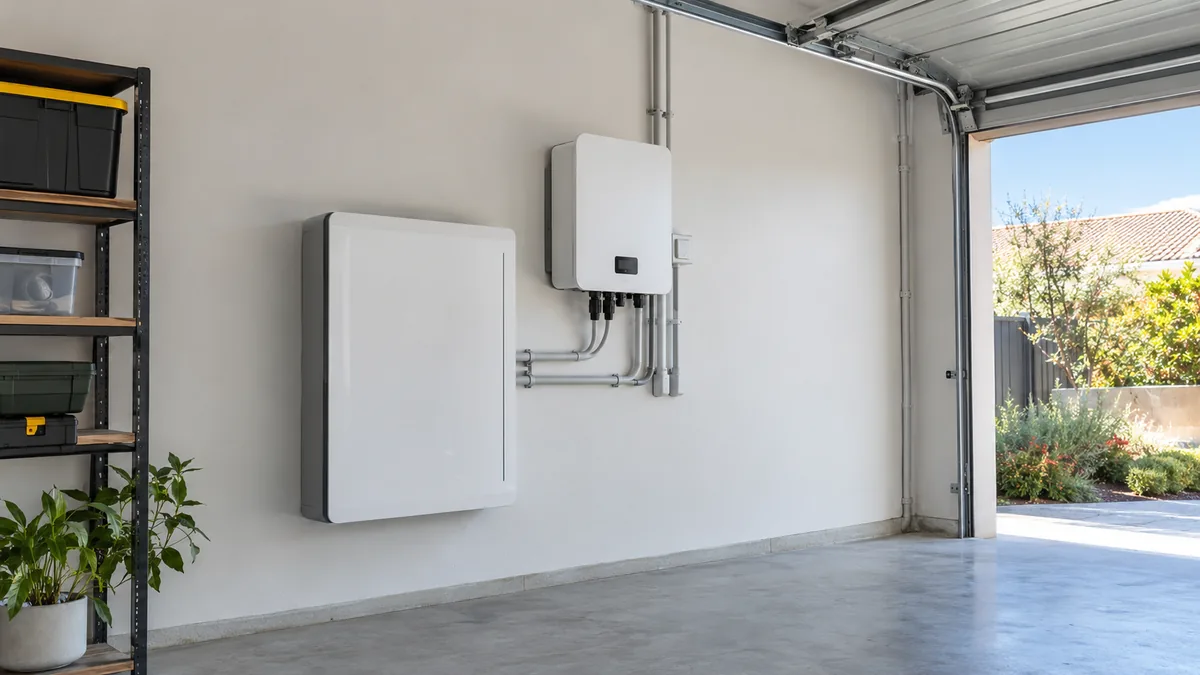
A home battery is the most reliable way to keep peak purchases low. It charges from surplus solar during the day and powers the house through the 3pm - 9pm window, when Midday Saver grid power is at its dearest. On cloudy winter days, the battery can also top up from the grid at the 8.8520c Super Off Peak rate. Compare options in our solar battery range.
Battery size matters. A battery that runs flat at 6pm still leaves three hours of peak usage on the grid. Ideally, size the battery around your typical 3pm - 9pm consumption, not your whole day.
Shorter days mean less solar to fill the battery, and summer heat waves push air-conditioning into the evening peak. Look at a full year of usage data, not just one good month, before deciding.
Checklist before you switch to the Synergy Midday Saver
- Download your interval usage data from Synergy My Account and see how many units you buy between 3pm and 9pm.
- Check your meter is compatible, and budget for a possible reprogramming or meter upgrade fee on your next bill.
- Put timers on the dishwasher, washing machine, pool pump, reticulation and electric hot water so they run between 9am and 3pm.
- Pre-cool or pre-heat the house before 3pm instead of running air-conditioning hard at 6pm.
- Charge an EV between 9am and 3pm, or overnight at the Off Peak rate, never in the peak window.
- If evening use stays high, consider a battery sized to cover your 3pm - 9pm load. A 6.6kW solar system with a west-facing array can also help in the late afternoon.
- Review your bills after three months. Synergy says you can switch back to a Home Plan anytime.
Make the middle of the day work harder
The best Midday Saver homes treat 9am - 3pm as their main energy window. Solar covers what it can, the battery soaks up the surplus, and the cheapest grid power in WA fills any gaps. By 3pm, the house is cool, the washing is done and the battery is full.

Synergy Midday Saver FAQ
What are the Synergy Midday Saver time periods?
Super Off Peak runs 9am - 3pm, Peak runs 3pm - 9pm and Off Peak runs 9pm - 9am. The same periods apply every day, including weekends.
How much does Midday Saver cost from 1 July 2026?
Synergy lists 8.8520c per unit for Super Off Peak, 55.3253c for Peak, 24.3431c for Off Peak and a supply charge of 132.7806c per day, all including GST.
Do I need a new meter?
You need a compatible meter. Where advanced meters are available in your suburb, you must have one. If a meter reprogram or upgrade is needed, Synergy charges the fee on your next bill.
Does Midday Saver change my DEBS feed-in rate?
No. DEBS is a separate buyback scheme. It pays 10c per unit exported from 3pm - 9pm and 2c at other times, on the first 50 units exported each day.
Can I go back to Home Plan A1?
Yes. Midday Saver has no fixed term, and Synergy says you can switch tariffs or cancel with 5 days' notice.
Is Midday Saver good for EV owners?
It can be, if you charge between 9am and 3pm or overnight. Synergy also offers an EV Add On with an 11pm - 6am overnight rate of 19.9172c per unit.
Not sure if Midday Saver suits your home?
Fusion Sun Solar can review your usage and design a solar and battery system that keeps your evening grid purchases low.
Get a free quoteSources
- Synergy - Changes to your electricity prices (effective 1 July 2026): synergy.net.au/Global/Synergy-Price-Changes-2026
- Synergy - Midday Saver plan, prices effective 1 July 2026: synergy.net.au/Your-home/Energy-plans/Midday-Saver
- Synergy - Distributed Energy Buyback Scheme (DEBS): synergy.net.au DEBS page
Prices checked 21 October 2026. Prices can change, so confirm current rates with Synergy before switching.