
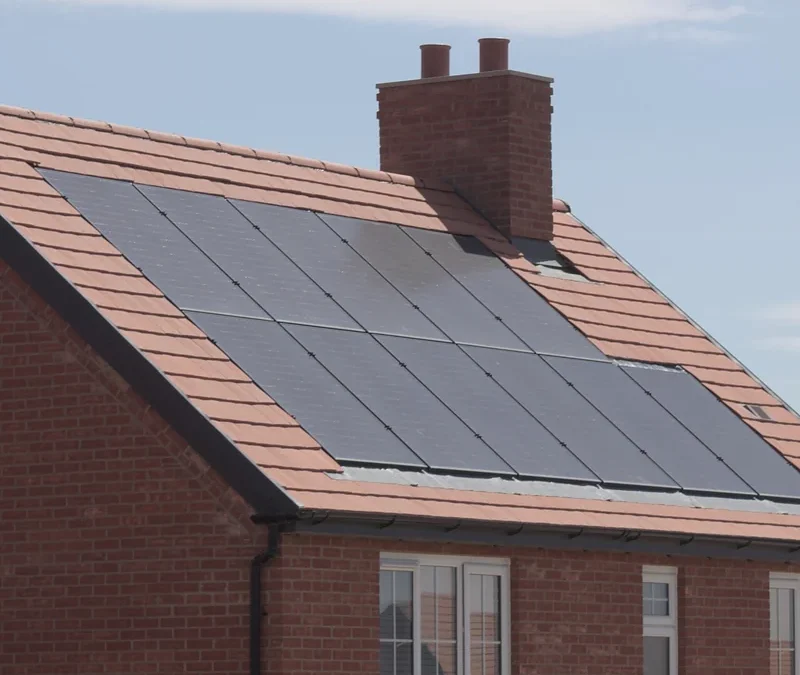
Emergency Solar Management in Perth: Why Your Solar May Switch Off This Spring
On mild, sunny spring days, Perth's grid can have more solar than it can safely handle. Here is how the WA backstop works, which homes it applies to, and what you can do to get the most from your system.
Get a free quoteLast updated 29 October 2026 - based on Energy Policy WA guidance last updated 4 August 2026.
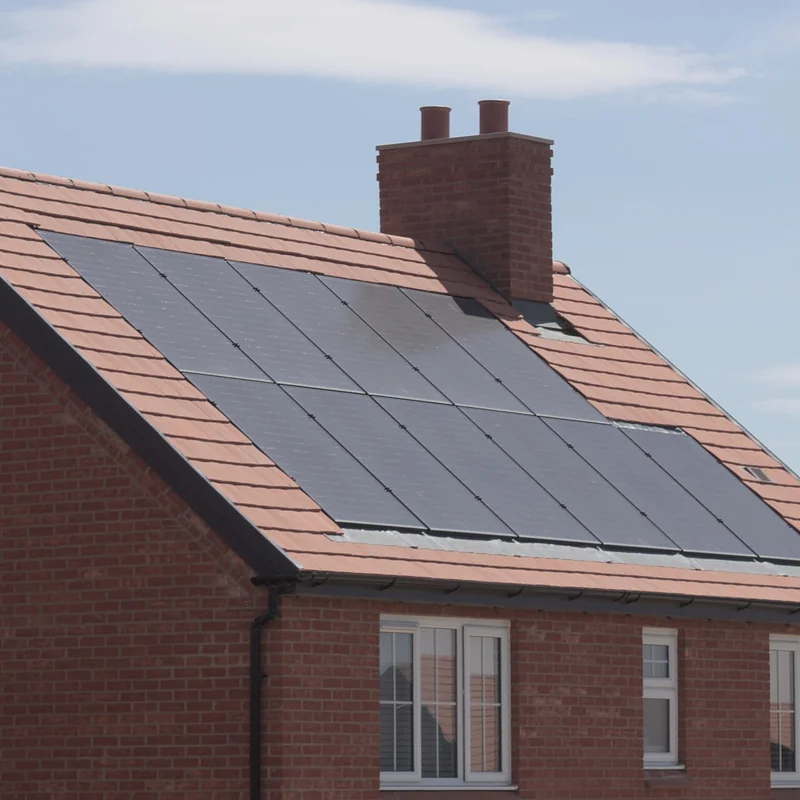
Emergency solar management is the WA Government's last-resort tool for keeping Perth's power system stable when rooftop solar floods the grid. It lets Synergy remotely turn off household solar systems for short periods during extreme low-demand events, and spring is one of the seasons when those conditions are most likely.
If you have installed or upgraded solar since February 2022, or you are planning a new system or battery, the rules almost certainly apply to you. This guide explains what happens during an event, which homes are covered, how the rules changed on 1 May 2026 and what you can do to make the most of your solar. It uses only official sources from Energy Policy WA and Synergy.
Emergency solar management lets Synergy remotely switch off rooftop solar during rare grid emergencies, usually on mild, sunny, low-demand days in spring and autumn. It applies to new or upgraded systems: those with inverters up to 5 kW since 14 February 2022, and all systems up to 30 kVA since 1 May 2026. Your home keeps receiving grid power, it is only used as a last resort, and there is no compensation for the solar you lose during an event.
What is emergency solar management?
Energy Policy WA describes emergency solar management as the capability to remotely reduce generation from small rooftop solar systems, as a last-resort measure that helps the Australian Energy Market Operator (AEMO) protect the power system during extreme low-load events. Synergy also calls it ESM, DPV management or distributed photovoltaic management.
The reason is simple. Without this backstop, the WA Government says the alternative would include disconnecting distribution feeders, which would cut power to entire suburbs. Switching off some solar for a short time is a far smaller disruption than a blackout.
During an event, only your solar generation is turned down or off. The WA Government is clear that electricity supply to your home from the grid is not affected, so lights, fridges and air-conditioners keep running.
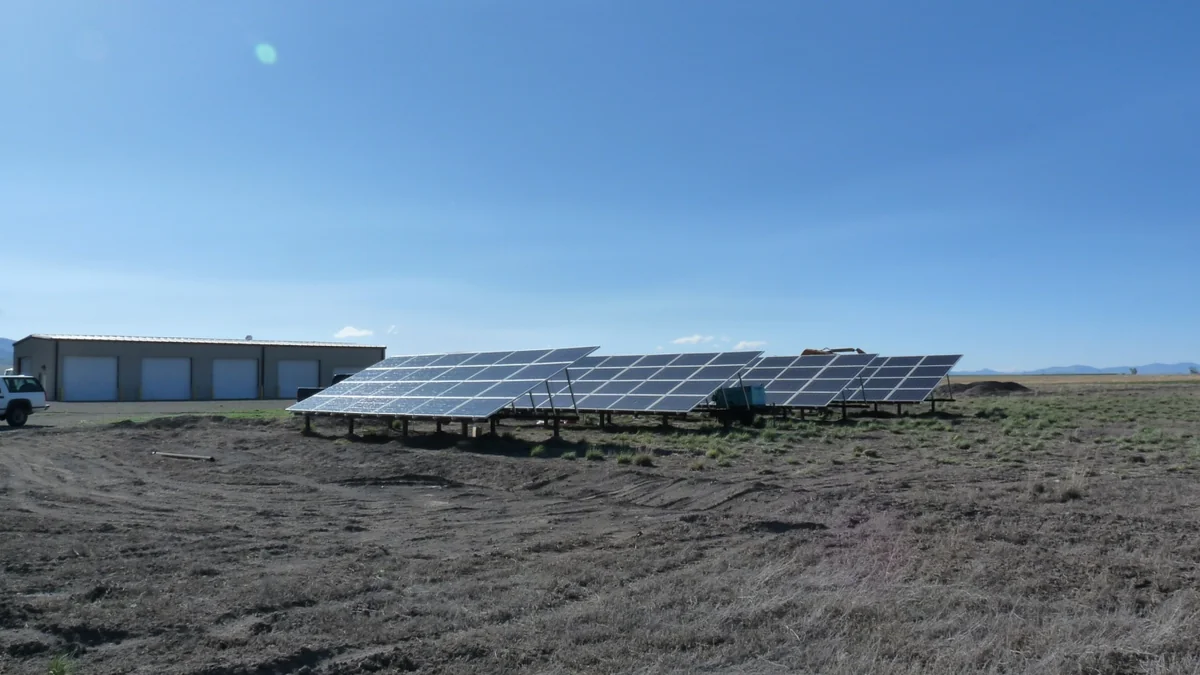
Perth's main grid, the South West Interconnected System (SWIS), is not connected to the eastern states, so it has to balance supply and demand on its own. Energy Policy WA explains that the risk comes from "low load": times when solar output is high but demand from customers is low.
These periods typically happen on mild, sunny days in autumn and spring, on weekends and during holidays, when businesses use less power and most homes do not need air-conditioning. On those days, fewer large generators run, yet those generators provide the services that keep the grid's frequency stable.
Why spring is the risk season in Perth
| Condition | Low-load risk | Why |
|---|---|---|
| Mild, sunny spring or autumn day | Higher | Strong solar output with little cooling or heating demand |
| Weekend or public holiday | Higher | Business and industrial demand drops |
| Hot summer afternoon | Lower | Air-conditioning lifts demand |
| Cloudy or wet day | Lower | Less rooftop solar output |
Based on Energy Policy WA's description of low-load conditions. Ratings are general guidance, not forecasts.
That makes the next few weeks, with long sunny days and mild temperatures, exactly the kind of period the backstop was designed for. It is also why using your solar at home during the day, rather than exporting it, is good for both your bill and the grid. If you are paid for exports, our guide to the Synergy solar feed-in tariff explains how buyback payments work.
Does emergency solar management apply to your home?
Whether you are covered depends on when your system was installed or upgraded and its inverter size. Energy Policy WA notes that almost all residential customers (those using less than 50 MWh a year) have Synergy as their retailer, and Synergy is responsible for making sure new and upgraded systems comply.
| Your situation | Does emergency solar management apply? |
|---|---|
| Solar installed before 14 February 2022, never upgraded | No, unless you upgrade the system (a battery added later must meet its own requirements) |
| New or upgraded solar, inverter 5 kW or less, from 14 February 2022 | Yes, it must be capable of remote management to receive DEBS payments |
| New or upgraded solar or battery up to 30 kVA, from 1 May 2026 | Yes, it must be remotely manageable, or export limited to 1.5 kW |
| Battery added to an existing system without changing the solar | The battery must meet Western Power's technical requirements; the existing solar does not need to change |
| System export limited to 1.5 kW instead | Not remotely managed, but under the 2022 rules it is not eligible for DEBS buyback payments |
Sources: Energy Policy WA (updated 4 August 2026 and 24 February 2026) and Synergy's ESM FAQ, checked 29 October 2026.
What changed on 1 May 2026
From 1 May 2026, households on a standard connection can install inverters up to 30 kVA, which for single-phase homes is a 15 kW increase in allowable capacity. Not sure what you have? See how to tell if you have single-phase or three-phase power. Every new or upgraded system must also be able to be remotely disconnected and reconnected by your retailer, or be export limited to 1.5 kW, and all inverters must comply with AS/NZS 4777.2:2020 with the grid code set to "Australia Region B".
Synergy uses the CSIP-AUS standard to communicate with systems. Energy Policy WA says Synergy will move existing systems from its current ESM platform to a basic version of CSIP-AUS that provides the same functionality, and that systems installed before 1 May 2026 are otherwise not affected by the new rules.
If you would rather not take part in export products, or your home cannot keep a stable internet connection, Energy Policy WA says you do not need to maintain ongoing connectivity after installation testing. Your system can still export up to 1.5 kW, and your own use of solar is not affected.
What happens during an emergency solar management event?
Households are last in line. Energy Policy WA sets out a clear order of steps before any home solar is touched:
| Step | Who acts | Action |
|---|---|---|
| 1 | AEMO | Reduces large-scale generation, including coal and gas, and procures additional energy services |
| 2 | AEMO and Western Power | Adjust network configuration |
| 3 | Western Power | Turns down certain large commercial solar and other generation it can manage |
| 4 | Synergy | Remotely reduces generation from customers' rooftop solar, sharing the impact equitably |
| 5 | Synergy | Turns systems back on once conditions pass and provides information to customers |
Some events can happen without warning, for example if a fault causes a large industrial load to drop off, or a bushfire takes out a transmission line. Synergy says it will update the banner on its ESM web page soon after an event day.
Synergy states that rooftop solar owners will not be compensated when their system is turned off during an event. Any electricity you use during an event comes from the grid as usual. When South Australia introduced a similar measure, the WA Government reported it had been used once, for about an hour, at an estimated cost of $1 - $2 per household (figure as published on the Energy Policy WA page).
Synergy also periodically tests that systems can be remotely managed. Energy Policy WA says these tests happen, where possible, at times of low solar production to keep the impact on households small.
Batteries and emergency solar management
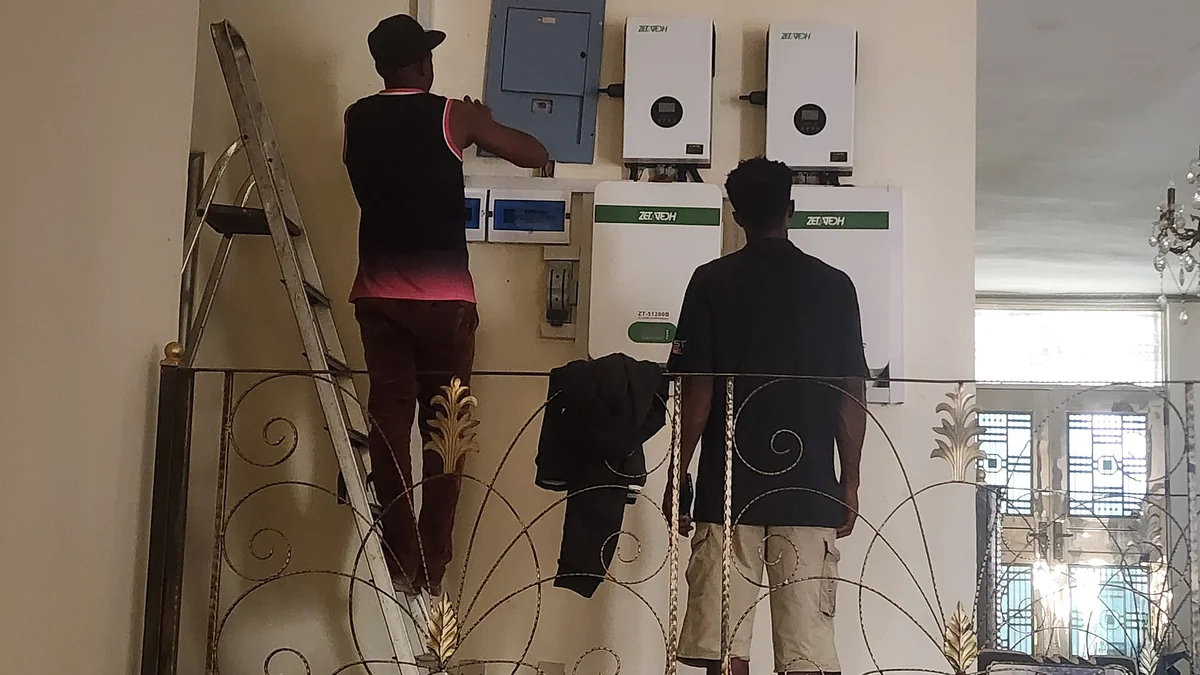
Batteries installed since 14 February 2022 must meet the requirements too. Energy Policy WA says that, under Western Power's requirements, these batteries must follow set times of operation, and Synergy's FAQ explains that meeting this "time of operation" requirement is how a battery installation achieves emergency solar management: the battery does not discharge between 10am - 3pm and does not charge between 6pm - 9pm. Battery installations that meet it do not need the cloud or metering pathway for remote management.
If you add a battery to existing solar without changing the solar, only the battery needs to meet these requirements, so ask your installer how your system is set up. If you have a battery or are weighing one up, our WA solar battery rebate guide covers the current incentives.
Battery "time of operation" requirement: hours affected in a 24-hour day
Calculated from the time windows in Synergy's ESM FAQ (checked 29 October 2026). Bars show share of a 24-hour day.
Charging from solar in the middle of the day and using that energy in the evening peak is how most Perth batteries already work. If you are on a time-of-use plan, see how Synergy Midday Saver compares with Home Plan A1.
Checklist: getting the most from your solar
- Check your install date and inverter size to see whether the rules apply to you.
- Keep your inverter connected to Wi-Fi. If you change your router or password, reconnect the inverter. Energy Policy WA notes this is often the simple fix when communications drop.
- Know what happens if the connection drops: there is no penalty, but your system defaults to a lower static export limit until communications are restored.
- Use more solar at home in the middle of the day, for example by running the dishwasher or washing machine, timing hot water and pool pumps, or charging an electric vehicle. These are the actions Energy Policy WA suggests to help on low-load days.
- If you have a battery, check with your installer that its charge and discharge schedule follows the time of operation windows, and set any app schedules to match.
- Planning an upgrade? Make sure your inverter and battery appear on Synergy's supported list and can use CSIP-AUS.
- Check your inverter app on sunny spring weekends. If output drops to zero on a clear day, check Synergy's ESM page before calling your installer.
- Emergency solar management is a last-resort backstop used on rare low-load days, typically mild, sunny spring and autumn days.
- It covers new or upgraded systems up to 5 kW from 14 February 2022 and up to 30 kVA from 1 May 2026.
- Your grid supply continues during an event, but there is no compensation for lost solar generation.
- Keeping your inverter online and using solar at midday are the easiest ways to get the most from your system.
Emergency solar management FAQ
Will my power go out during an emergency solar management event?
No. Only your rooftop solar generation is turned down or off. Energy Policy WA confirms your home continues to receive electricity from the grid.
How often will my solar be switched off?
The WA Government says it is expected to be used infrequently and for short periods, and only after other options, such as reducing large coal and gas generation, have been exhausted.
Will I be paid if Synergy turns my solar off?
No. Synergy states that rooftop solar owners will not be compensated when systems are turned off in an event.
My solar was installed in 2020. Am I affected?
Not unless you upgrade. Systems installed before 14 February 2022 do not need to meet the requirements unless you upgrade the system. If you add a battery without changing your solar, only the battery needs to comply.
What if my inverter loses its internet connection?
There is no penalty. Under the rules that started on 1 May 2026, devices default to a lower static export limit until communications are restored, then normal export settings apply again.
Can I choose an export limit instead?
Yes. You can choose to have your system export limited to 1.5 kW instead of being remotely managed. Under the 2022 rules described by Energy Policy WA, those systems are not eligible for buyback payments under DEBS, so talk to your installer before choosing.
Want a solar system that is ready for WA's rules?
Fusion Sun Solar designs and installs compliant solar and battery systems across Perth, set up for remote management and smart self-use from day one. Talk to our team about the right size and setup for your home.
Get a free quoteSources
- Energy Policy WA - How will emergency solar management be used? (last updated 4 August 2026): wa.gov.au emergency solar management
- Energy Policy WA - Requirements for solar and batteries: information for consumers (last updated 4 August 2026): wa.gov.au consumer requirements
- Energy Policy WA - New requirements for small-scale solar and battery systems (last updated 24 February 2026): wa.gov.au new requirements
- Synergy - Emergency solar management FAQs (synergy.net.au, checked 29 October 2026).
This article is general information, not advice for your specific system. Rules can change, so check the official pages or speak with your installer before making decisions.